ICOM 2017
Vol. I, ICOM 2017

Membrane science, from theory to practice.

An editorial journal on polymer membrane technology, industrial gas separation, and the biomimetic frontiers of membrane science. Three technical pieces on water treatment advances, sustainable industrial processes, and the next generation of synthetic membranes.

Membrane science research and water treatment technology
No.01WATER TREATMENTApril 28, 2026

Advances in Polymer Membrane Technology for Water Purification

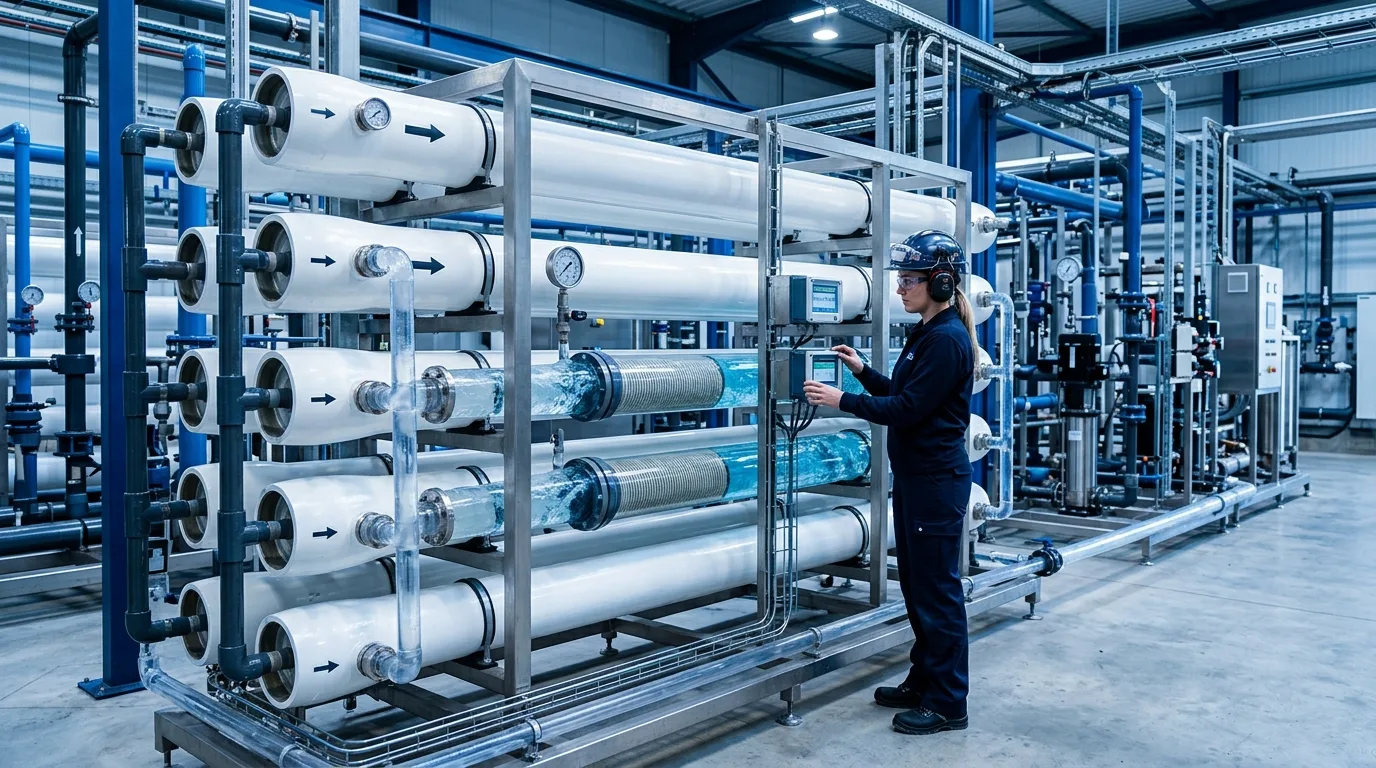
Polymer membrane filtration module for water purification

Introduction

Water scarcity and contamination remain among the most pressing challenges of the twenty-first century. As global demand for clean water intensifies, the scientific community has directed considerable resources toward improving the efficiency, selectivity, and longevity of polymer-based membrane systems. The International Congress on Membranes and Membrane Processes, held in San Francisco in 2017 and convened under the banner of ICOM 2017, brought together leading researchers and engineers to examine the state of the art in membrane-driven water treatment. The insights exchanged at that congress continue to shape laboratory and industrial practice.

Fundamentals of Polymer Membrane Separation

Polymer membranes function by exploiting differences in the size, charge, or chemical affinity of dissolved or suspended species. The principal configurations deployed in water treatment include microfiltration (MF), ultrafiltration (UF), nanofiltration (NF), and reverse osmosis (RO). Each operates across a distinct pore-size regime, from the relatively open channels of MF membranes, typically 0.1 to 10 micrometres, to the effectively nonporous barrier of RO films, which reject ionic solutes through solution-diffusion mechanisms.

Polyamide thin-film composite (TFC) membranes represent the dominant chemistry in high-pressure applications such as seawater desalination. The selective layer, formed by interfacial polymerisation of an aromatic diamine with a triacyl chloride, achieves salt rejections exceeding 99 percent while maintaining commercially acceptable water permeance. Continued refinement of monomer chemistry, crosslink density, and surface modification protocols has progressively relaxed the permeability-selectivity trade-off that characterised earlier generations.

Surface Engineering and Fouling Mitigation

Fouling, the deposition of organic matter, colloidal particles, and microorganisms on membrane surfaces, remains the principal barrier to stable long-term performance. Research presented across the ICOM 2017 congress programme highlighted several converging strategies for fouling control. Hydrophilic surface coatings, including polyethylene glycol (PEG) grafts and zwitterionic polymer brushes, reduce the thermodynamic driving force for foulant adhesion. Nanocomposite approaches incorporating titanium dioxide or graphene oxide fillers within casting solutions have demonstrated measurable improvements in both hydrophilicity and photocatalytic self-cleaning capacity under ultraviolet irradiation.

Structural modification at the membrane substrate level, particularly the transition from conventional asymmetric sponge structures to hollow-fibre and thin-film nanocomposite architectures, alters boundary-layer dynamics and reduces concentration polarisation. Numerical modelling tools that couple computational fluid dynamics with mass-transfer correlations now permit rational module design aimed at reducing foulant accumulation zones prior to fabrication.

Hollow-Fibre Configurations in Municipal Applications

Hollow-fibre ultrafiltration systems have achieved widespread deployment in municipal drinking water treatment due to their high packing density and suitability for dead-end or semi-dead-end operation. A single module can accommodate surface areas exceeding 50 square metres per cubic metre of module volume, substantially reducing the footprint compared to spiral-wound elements operated at equivalent flux. Fibre morphology, including inner and outer diameter, wall thickness, and the macro-void distribution within the cross-section, determines both the hydraulic resistance and the mechanical resilience to pressure cycling during backwash sequences.

Research groups affiliated with ICOM 2017 demonstrated that dual-layer hollow-fibre co-extrusion, combining a tight selective outer skin with a porous mechanically robust inner substrate, yields membranes capable of sustaining 107 pressure cycles without delamination. These results have direct implications for plant operators seeking to extend membrane lifetime and reduce capital replacement costs.

Emerging Polymer Chemistries

Beyond the well-established polyamide and polysulfone families, researchers have explored thermally rearranged (TR) polymers, polymers of intrinsic microporosity (PIMs), and mixed-matrix membranes as next-generation platforms. TR polymers, synthesised by converting hydroxyl-functional polyimides at elevated temperatures, develop a rigid, contorted backbone that generates a bimodal pore distribution particularly effective for gas separation but increasingly studied in pervaporation desalination contexts.

PIMs provide the highest known free volume among solution-processable polymers and can be cast into flexible films without the need for high-temperature processing. Water-stable PIM derivatives functionalised with sulfonate or carboxylate groups exhibit anion-selective transport behaviour relevant to selective ion removal from complex industrial effluents.

Mixed-matrix membranes embed discrete inorganic or metal-organic framework (MOF) fillers within a continuous polymer matrix. When the filler pore aperture matches the kinetic diameter of target solute molecules, significant enhancement in both flux and selectivity over the unfilled polymer baseline has been reported. Scalable synthesis routes and compatibilisation strategies linking the organic matrix to the inorganic particle surface remain active research priorities.

Process Integration and Energy Considerations

The total energy consumption of membrane-based water treatment is dominated by pumping against the applied transmembrane pressure. For seawater RO, specific energy consumption has fallen from approximately 10 kWh per cubic metre in the early 1990s to below 2 kWh per cubic metre in optimised modern plants equipped with pressure-exchange energy recovery devices. Further reductions require membrane materials that deliver higher water permeance without proportional loss of salt rejection, enabling operation at lower feed pressures.

Integration of membrane processes with renewable energy sources, particularly photovoltaic-powered RO for decentralised applications in water-stressed regions, was a recurrent theme in ICOM 2017 symposium sessions. Variable power availability introduces challenges in managing cross-flow velocity, pressure set-points, and cleaning cycles that differ fundamentally from grid-connected operation. Adaptive control strategies drawing on real-time conductivity, pressure, and flow monitoring are under development to address this variability.

Quality Standards and Regulatory Context

Regulatory frameworks in major markets, including the United States Environmental Protection Agency Surface Water Treatment Rule and European Drinking Water Directive standards, increasingly specify removal credits for pathogenic organisms that favour membrane-based unit operations. Log-removal values (LRVs) for viruses, Cryptosporidium, and Giardia cysts can be demonstrated through direct integrity testing using pressure-hold, vacuum-hold, or marker-based protocols. The technical committee work that accompanied ICOM 2017 contributed to the evolving consensus on standardised integrity test methodologies applicable to hollow-fibre UF and MF systems.

Conclusion

Polymer membrane technology for water purification has matured from a niche laboratory technique into a cornerstone of global drinking water infrastructure. The trajectory of research presented at ICOM 2017, spanning novel polymer chemistries, surface engineering, module design, and systems integration, points toward continued performance gains that will make membrane-based treatment accessible to a wider range of water-quality challenges and geographic settings. Engagement between academic research groups, industrial manufacturers, and regulatory bodies, as fostered by congresses of this kind, remains essential to translating laboratory innovation into reliable, cost-effective field deployment.

Cross-references: [The Role of Membrane Processes in Sustainable Industrial Gas Separation](https://icom2017.org/role-of-membrane-processes-in-sustainable-industrial-gas-separation/) | [Future Trends in Biomimetic and High-Performance Synthetic Membranes](https://icom2017.org/future-trends-in-biomimetic-and-high-performance-synthetic-membranes/)


No.02INDUSTRIAL PROCESSESMarch 30, 2026

The Role of Membrane Processes in Sustainable Industrial Gas Separation

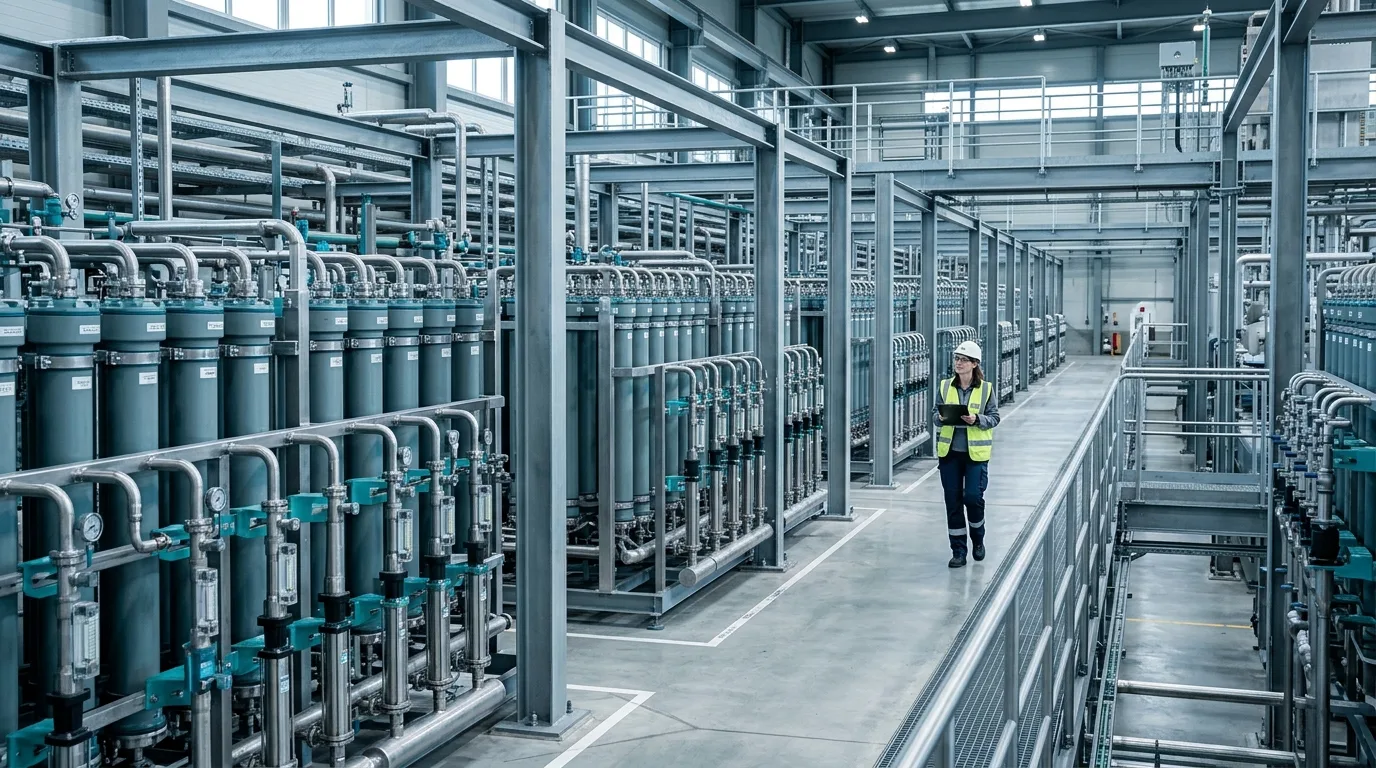
Industrial membrane separation facility for gas processing

Introduction

Industrial gas separation underpins a substantial fraction of global energy and chemical production, encompassing processes as varied as hydrogen recovery in petroleum refining, carbon dioxide removal from natural gas, nitrogen generation for inerting applications, and oxygen enrichment for medical and metallurgical purposes. Conventional separation technologies, cryogenic distillation and pressure-swing adsorption, impose significant capital and energy burdens that constrain their application, particularly in distributed or small-scale settings. Membrane-based processes offer a compelling alternative characterised by continuous steady-state operation, the absence of phase change, and a modular architecture amenable to incremental capacity expansion.

The ICOM 2017 congress in San Francisco, supported by major industrial sponsors including Air Liquide, one of the world's principal industrial gas producers, devoted extensive programme time to advances in gas separation membranes, reflecting the technology's growing strategic importance in decarbonisation and process intensification agendas.

Transport Mechanisms in Dense Polymer Membranes

Gas permeation through dense polymer membranes follows the solution-diffusion model: a penetrant molecule sorbs into the high-pressure face of the membrane, diffuses down its chemical potential gradient through the polymer matrix, and desorbs at the low-pressure permeate face. The permeability coefficient P is the product of the diffusivity coefficient D and the solubility coefficient S, each of which responds differently to polymer structure, temperature, and feed composition.

Selectivity between two gases is governed by the ratio of their respective permeabilities. In glassy polymers, where segmental motion is restricted, diffusivity selectivity dominates and favours smaller molecules. In rubbery polymers, where chain mobility is high, solubility selectivity predominates and favours condensable, higher-boiling species. This mechanistic distinction underpins the material selection logic across different separation tasks: glassy polymers such as polysulfone and polyimide families dominate hydrogen and oxygen separations, while rubbery poly(dimethylsiloxane) and related elastomers are preferred where removal of heavy hydrocarbons from natural gas is required.

Carbon Dioxide Capture and Climate Relevance

Post-combustion CO2 capture represents one of the most demanding gas separation problems, requiring the treatment of flue gas streams at low CO2 partial pressures against large volumetric flows and in the presence of water vapour, NOx, and SOx contaminants. The Robeson upper-bound relationship, which defines empirical limits on the permeability-selectivity trade-off for polymer membranes, has provided both a benchmark and a challenge for membrane materials researchers.

Facilitated-transport membranes incorporating reactive carrier molecules, typically amines functionalised within a polymer or ionic liquid matrix, overcome the upper bound by coupling reversible chemical reaction to diffusive transport. Under optimal humidity conditions, facilitated CO2 carriers achieve selectivities over nitrogen exceeding 1,000 while retaining useful CO2 permeances. Research groups presenting at ICOM 2017 reported prototype hollow-fibre modules fabricated from amine-containing cross-linked polymers that maintained stable facilitated transport over 2,000 hours of continuous operation at simulated flue gas conditions.

Oxy-fuel combustion separation, where dense oxygen-conducting ceramic membranes at elevated temperatures deliver a pure oxygen stream for combustion with inherent CO2 capture, represents a complementary approach for high-temperature industrial applications. Mixed ionic-electronic conducting (MIEC) perovskite and brownmillerite-structured oxides achieve oxygen fluxes that are thermodynamically decoupled from compression work, though sealing reliability and long-term chemical stability in the presence of CO2 and SO2 remain engineering challenges under active investigation.

Hydrogen Separation and Fuel Cell Supply Chains

Green hydrogen production via electrolysis, and its subsequent purification and distribution, require separation steps at multiple points in the value chain. Membrane-based hydrogen purification from steam methane reformate streams, where the retentate constitutes a CO-enriched fuel gas recyclable to the reformer burner, has been commercially practiced since the 1980s using polysulfone and polyimide spiral-wound elements. The evolution of polymers of intrinsic microporosity (PIMs) and thermally rearranged (TR) polymers has extended the accessible region on the Robeson plot for H2/CO2 and H2/N2 separations, opening the prospect of higher-purity hydrogen recovery at reduced compression penalties.

Palladium-based dense metallic membranes achieve theoretically infinite H2/N2 selectivity through a dissociative adsorption-diffusion-recombination mechanism. Cost and mechanical brittleness have historically limited palladium membrane deployment, but thin palladium-silver and palladium-copper alloy films deposited by electroless plating onto porous ceramic or metallic supports have demonstrated stable flux at thicknesses below 5 micrometres, substantially reducing precious metal inventory per unit of permeation area.

Nitrogen Generation and Oxygen Enrichment

Membrane-based nitrogen generation from compressed air represents one of the most commercially mature gas separation membrane applications, with hundreds of thousands of installations globally. Hollow-fibre modules fabricated from silicone-coated polysulfone selectively permeate oxygen, water vapour, and carbon dioxide, delivering a nitrogen-enriched retentate stream at near-feed pressure. The process is continuous, requires no regeneration cycle, and scales readily from small on-site generators to large centralised facilities.

Oxygen enrichment of combustion air for burner applications, where modest enrichment from 21 percent to 30-35 percent oxygen delivers disproportionate reductions in fuel consumption, represents a growing niche for membrane systems. The capital cost advantage over vacuum pressure-swing adsorption increases as plant scale decreases, making membrane oxygen enrichment particularly attractive for small-scale glass, ceramics, and waste-to-energy facilities.

Module Engineering and Scale-Up

Translating improved membrane materials into commercially deployable systems requires parallel advances in module fabrication, potting chemistry, and system engineering. Hollow-fibre spinning parameters, dope composition, air-gap length, bore fluid flow rate, and take-up speed, jointly determine fibre morphology, and small perturbations in spinning conditions can produce disproportionate changes in gas transport properties. Process analytical technology applied to the spinning line, including online gas permeation testing and optical coherence tomography for wall thickness measurement, reduces the variability that has historically complicated scale-up.

Corporate sponsors participating in ICOM 2017, including ExxonMobil and BASF, maintain membrane manufacturing operations where module-level quality control draws on statistical process control frameworks applied to thousands of fibres per batch. Shared presentations by academic and industrial researchers on characterisation methods, including time-lag diffusivity measurement, pressure-rise permeation testing, and mixed-gas selectivity protocols, reflected the increasingly collaborative character of membrane engineering as the field matures.

Outlook

The intersection of climate policy, energy transition, and process intensification has elevated membrane gas separation to a strategic technology priority across multiple industrial sectors. Continued materials innovation, particularly around facilitated transport, thermally rearranged and microporous polymers, and composite metallic membranes, will extend the performance envelope available to process designers. Concurrently, advances in hollow-fibre fabrication, module sealing, and integrated system control will reduce the gap between laboratory-demonstrated performance and reliably achievable field results. The ICOM 2017 congress created a knowledge-sharing foundation that continues to accelerate this trajectory.

Cross-references: [Advances in Polymer Membrane Technology for Water Purification](https://icom2017.org/advances-in-polymer-membrane-technology-for-water-purification/) | [Future Trends in Biomimetic and High-Performance Synthetic Membranes](https://icom2017.org/future-trends-in-biomimetic-and-high-performance-synthetic-membranes/)


No.03RESEARCH FRONTIERSMarch 5, 2026

Future Trends in Biomimetic and High-Performance Synthetic Membranes

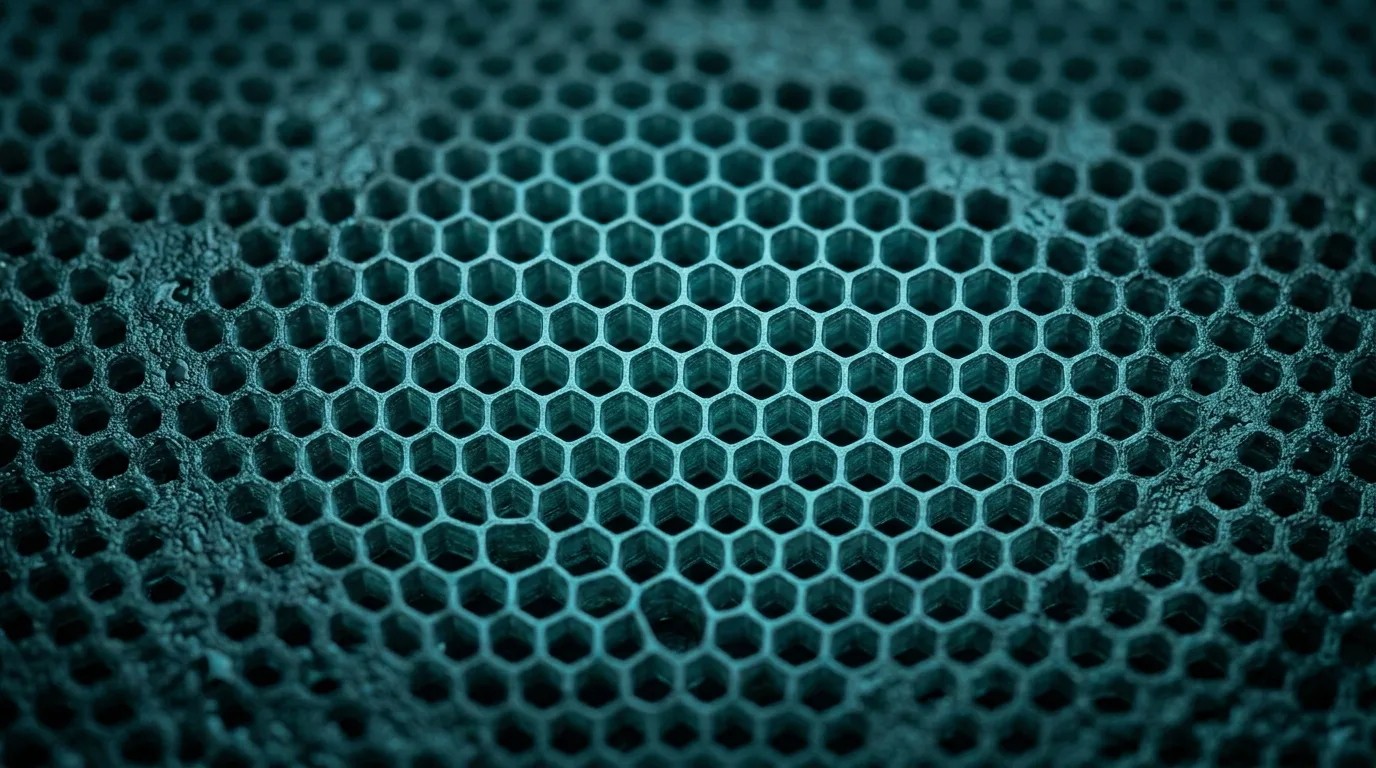
Biomimetic membrane structure inspired by natural filtration systems

Introduction

The history of membrane science is characterised by iterative performance improvement within established material families, primarily polysulfone, polyamide, and cellulose acetate. Researchers attending the International Congress on Membranes and Membrane Processes (ICOM 2017) in San Francisco encountered a different narrative at the frontier: a generation of membrane concepts drawing on biological transport mechanisms, nanoscale channel architectures, and materials informatics to surpass the intrinsic limitations of conventional polymer films. These approaches do not yet dominate commercial practice, but the maturity and scale of the research effort presented at ICOM 2017 signal a decisive shift in the medium-term development trajectory of the field.

Aquaporin-Based Biomimetic Membranes

Biological membranes in cell walls achieve water permeabilities that exceed the best synthetic polymer films by two to three orders of magnitude, facilitated by transmembrane protein channels called aquaporins. Aquaporin-1 (AqpZ in bacteria) conducts water molecules in single file at rates of approximately 3 x 10^9 molecules per channel per second while rejecting all ionic and molecular solutes through a combination of steric exclusion and electrostatic repulsion within the channel lumen.

The challenge for membrane engineers is to reconstitute aquaporin function within a mechanically robust, scalable, and chemically stable platform. Two principal strategies have been pursued: incorporation of aquaporin-containing proteoliposomes or 2D lipid bilayers as the selective layer of a thin-film composite membrane, and the use of block copolymer vesicles as a more stable substitute for the lipid bilayer matrix. Research groups from the Technical University of Denmark, Nanyang Technological University, and several North American institutions presented data at ICOM 2017 showing that block copolymer-aquaporin composite membranes achieved water permeances of 10 to 40 L m-2 h-1 bar-1, substantially above the 1 to 4 L m-2 h-1 bar-1 typical of commercial RO membranes, with NaCl rejections exceeding 97 percent.

Commercial development has progressed in parallel with academic research. Aquaporin A/S (Denmark) has introduced hollow-fibre and flat-sheet modules incorporating aquaporin-Z protein, targeting applications in forward osmosis and low-pressure RO where the high water permeance translates into reduced operating pressure and energy consumption. Validating long-term stability under the chemical cleaning regimes standard in municipal and industrial practice remains a central remaining challenge.

Carbon Nanotube and Graphene Pore Channels

Carbon nanotube (CNT) membranes exploit the frictionless interior surface of single-walled and multi-walled carbon nanotubes to achieve gas and liquid transport rates that molecular dynamics simulations predict at several orders of magnitude above continuum Hagen-Poiseuille values for equivalent cylindrical pores. The physical origin is the atomically smooth, hydrophobic interior surface, which supports a near-zero-friction water meniscus and ballistic transport at the nanometre scale.

Fabricating membranes with aligned CNT arrays of controlled diameter, uniform length, and selective end-cap chemistry at densities sufficient for practical flux has proven technically demanding. Approaches include in situ growth of vertically aligned CNT forests by chemical vapour deposition followed by infiltration of an epoxy or polymer gap-fill material, as well as the dispersion of shortened CNTs within polymer casting solutions as oriented nanofillers. The latter route is more easily scaled but sacrifices the alignment that underpins the most extreme transport predictions.

Graphene and graphene oxide (GO) membranes offer a complementary nanocarbon platform. Single-layer graphene can in principle be made permeable by ion bombardment or chemical etching to introduce pores of defined size. GO laminates assembled from overlapping flake layers transport water through the two-dimensional channels between graphene oxide sheets; the effective channel width, and hence the molecular cutoff, is controlled by the degree of oxidation, the presence of cross-linking agents, and the d-spacing induced by intercalated water. GO membranes capable of sieving dissolved salts from water were reported at ICOM 2017 with permeances exceeding those of polyamide RO films at equivalent rejection levels, though stability under applied hydraulic pressure and in chemically aggressive feed environments remains an area of active development.

Metal-Organic Frameworks as Membrane Materials

Metal-organic frameworks (MOFs), crystalline porous coordination networks assembled from metal nodes and organic linker molecules, exhibit pore apertures in the 3 to 15 angstrom range, precisely the size domain relevant to gas and small-molecule liquid separations. Their pore geometry, surface chemistry, and pore size are in principle tunable by linker and node selection, making them attractive as both filler phases in mixed-matrix membranes and as continuous thin-film selective layers.

Continuous MOF membranes grown on porous alumina or titania supports by in situ solvothermal synthesis, secondary growth from seeded substrates, or counter-diffusion methods have demonstrated separation factors for CO2/CH4, propylene/propane, and xylene isomer pairs that substantially exceed polymer upper bounds. ZIF-8, a zinc-methylimidazolate framework with a nominal pore aperture of 3.4 angstroms, has emerged as the most widely studied system, with membrane synthesis now reproducible enough to support comparative inter-laboratory validation studies. The flexibility of the ZIF-8 lattice, which allows gate-opening to slightly larger effective apertures under pressure, complicates exact prediction of separation performance from crystallographic data alone and has motivated combined experimental and computational screening programmes.

Data-Driven Materials Discovery

Machine learning and high-throughput computational screening are accelerating the identification of candidate membrane materials from the combinatorially vast space of possible polymer repeat units, crosslink densities, and additive combinations. Group-contribution models trained on large experimental permeability databases now predict CO2 and O2 permeabilities of hypothetical polymers with errors comparable to inter-laboratory experimental variability. Inverse design workflows that accept target permeability-selectivity coordinates and return prioritised candidate structures are beginning to replace purely intuition-driven synthesis programmes.

Similar approaches are being applied to MOF discovery, where the Cambridge Structural Database and purpose-built hypothetical MOF libraries containing millions of structures can be screened computationally for membrane-relevant properties before any synthesis is attempted. The integration of these data-driven tools with experimental feedback loops, where top-ranked computational candidates are synthesised and characterised, with results fed back to retrain predictive models, represents one of the most productive emerging methodological trends in the membrane science community, and one that ICOM 2017 plenary speakers explicitly identified as a defining feature of the next decade of research.

Scaling Innovation to Commercial Deployment

The translation of laboratory-scale membrane breakthroughs into commercially deployable products involves challenges that are distinct from those of materials discovery. Module fabrication methods must accommodate novel material geometries, large-area graphene films, delicate MOF coatings, protein-embedded block copolymer selective layers, without introducing defects that destroy selectivity at commercial scales. Accelerated ageing protocols, standardised characterisation methods, and techno-economic analysis frameworks that quantify the performance targets at which novel materials become competitive with incumbent technology are all essential infrastructure for the translation process.

The ICOM 2017 congress, by convening academic researchers alongside representatives of ExxonMobil, BASF, Air Liquide, and other industrial partners in a structured programme of plenary lectures, contributed oral and poster presentations, and pre-meeting workshops, created the interdisciplinary dialogue essential to bridging this gap. The community of membrane scientists and engineers, membranologists, as the field has come to identify itself, that gathered in San Francisco represented the broadest global assembly of this expertise in the 2017 cycle, and the research directions it legitimised continue to define the field's frontier.

Conclusion

Biomimetic aquaporin channels, carbon nanotube and graphene pore architectures, metal-organic framework membranes, and data-driven materials discovery collectively define a research frontier that may deliver step-change performance advances beyond the incremental gains achievable within established polymer families. Realising that potential demands sustained collaboration between materials scientists, process engineers, computational researchers, and industrial practitioners, precisely the collaboration that international congresses such as ICOM 2017 are designed to catalyse.

Cross-references: [Advances in Polymer Membrane Technology for Water Purification](https://icom2017.org/advances-in-polymer-membrane-technology-for-water-purification/) | [The Role of Membrane Processes in Sustainable Industrial Gas Separation](https://icom2017.org/role-of-membrane-processes-in-sustainable-industrial-gas-separation/)